Serengeti National Park – The Icon of African Safaris - World Famous National Park
Together with Kenya’s Masai Mara Game Reserve, the Serengeti National Park forms part of one of the most celebrated ecosystems on Earth. Located in northern Tanzania, this UNESCO World Heritage Site encompasses vast, rolling savannahs, acacia-dotted plains, and endless horizons alive with wildlife. The Serengeti is best known for hosting the Great Migration — the largest terrestrial animal movement on the planet — making it the quintessential safari destination.
Location
Stretching across northwestern Tanzania, the Serengeti borders Kenya’s Masai Mara to the north and the Ngorongoro Conservation Area to the southeast. It forms the heart of the Serengeti-Mara ecosystem, one of the oldest and most complex natural systems in the world.
The park is divided into distinct regions, each offering unique scenery and wildlife experiences:
Northern Serengeti: Known for the dramatic Mara River crossings during the Great Migration and incredible predator activity.
Central Serengeti (Seronera): The wildlife-rich heart of the park, home to year-round game and iconic acacia-studded plains.
Western Serengeti: Characterised by the Grumeti River and dense woodlands; famous for migration herds and Nile crocodiles.
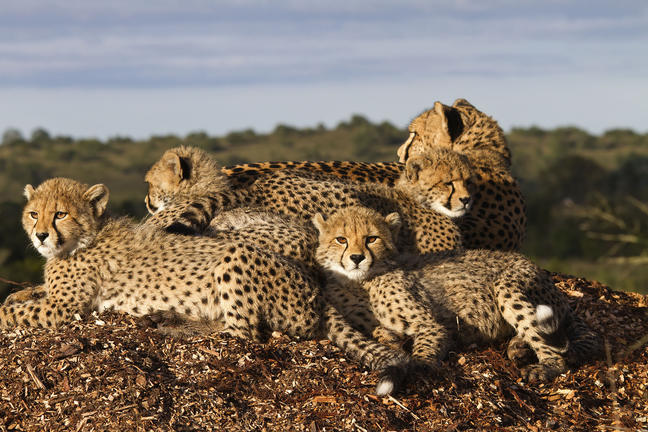
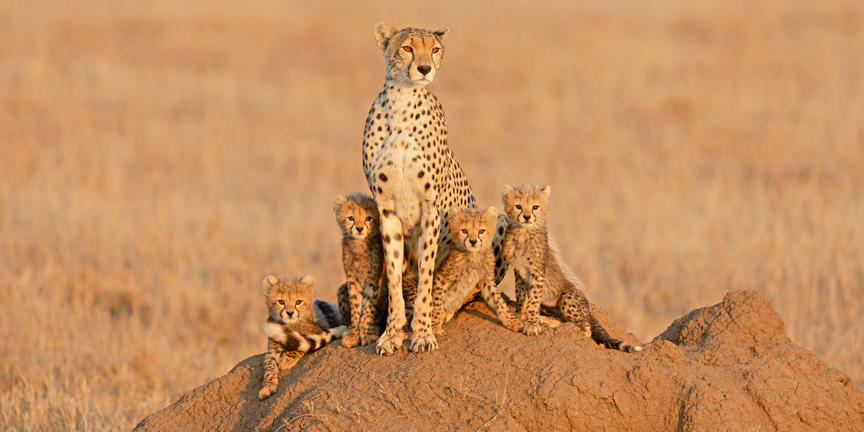
Eastern Serengeti: Remote and less-visited, offering open grasslands ideal for cheetah sightings and wilderness experiences.
Southern Serengeti: The calving grounds for the wildebeest migration during the green season (December–March).
Ndutu Region: A seasonal area straddling the Serengeti and Ngorongoro, renowned for wildebeest calving and predator interactions.
Unique Features
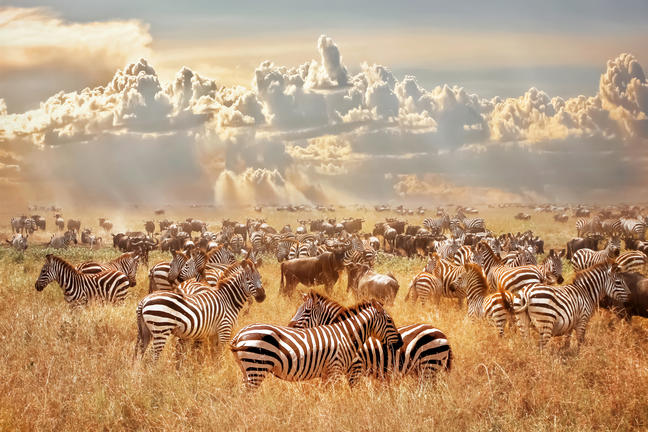
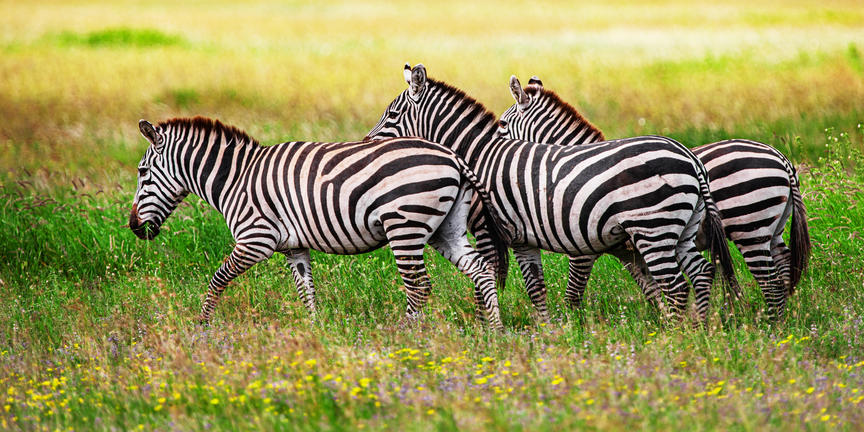
The Great Migration: Each year, over 1.5 million wildebeest, 250,000 zebra, and thousands of gazelles follow the rains in search of greener pastures, creating one of nature’s greatest spectacles.
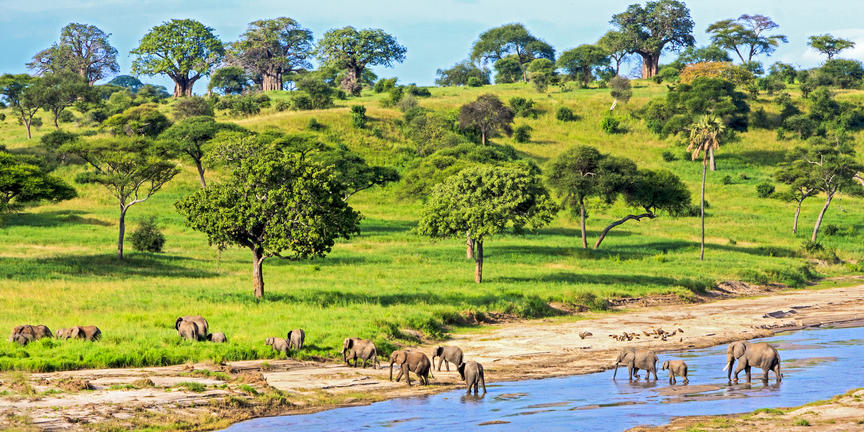
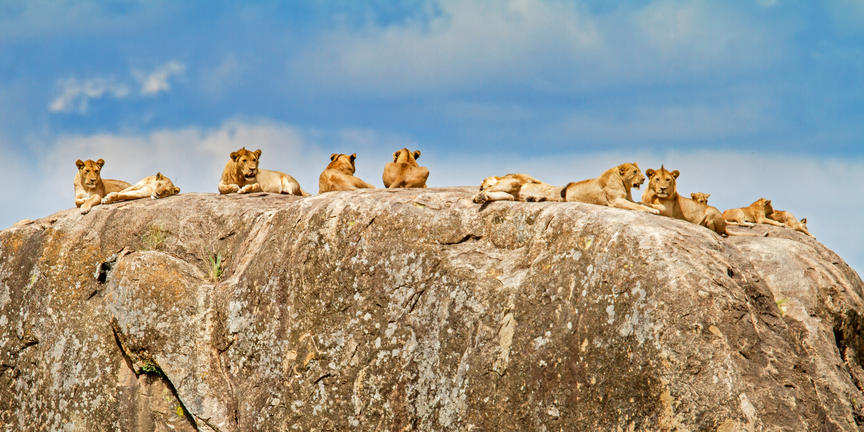
Diverse Habitats: The park encompasses grassy plains, riverine forests, granite kopjes, and wooded hills, each home to distinct wildlife communities.
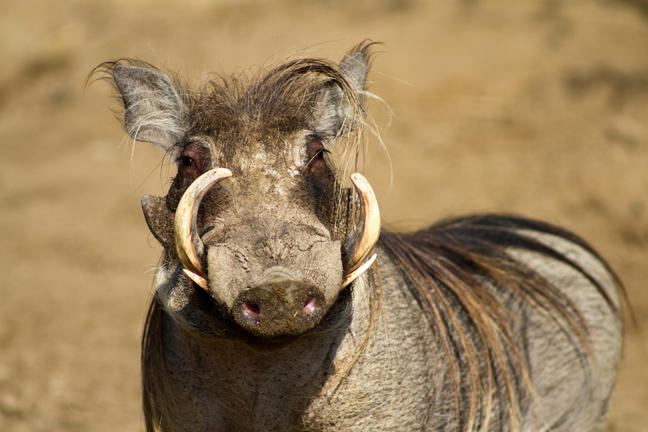
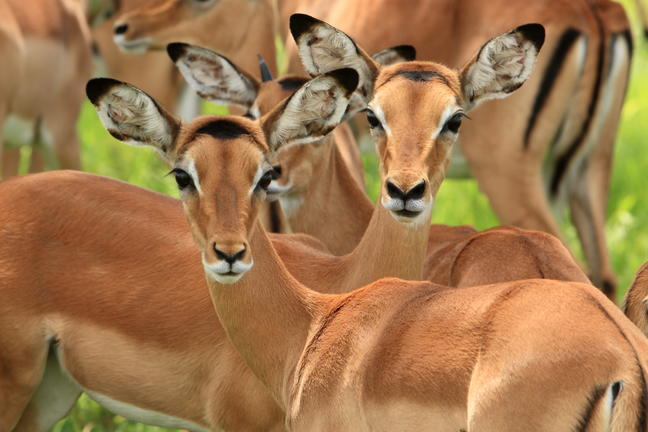
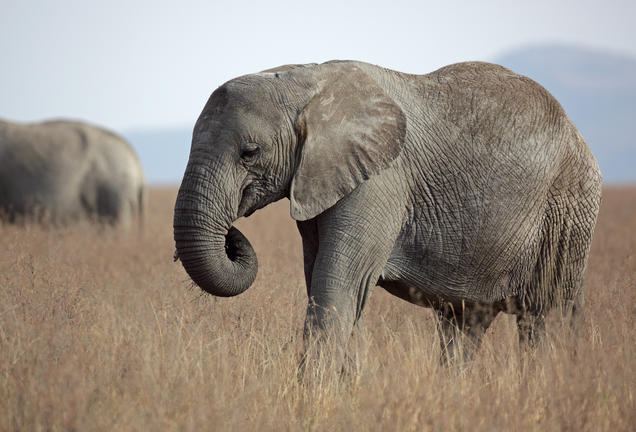
Year-Round Wildlife: Resident species such as elephants, buffalo, giraffes, eland, impala, and hippos ensure unforgettable game viewing in every season.
Activities in the Area
Game drives across the park’s diverse regions
Hot-air balloon safaris at sunrise
Walking Safaris with expert guides for an immersive wilderness experience
Special Black Rhino Viewing
Horseback safaris and guided bush walks
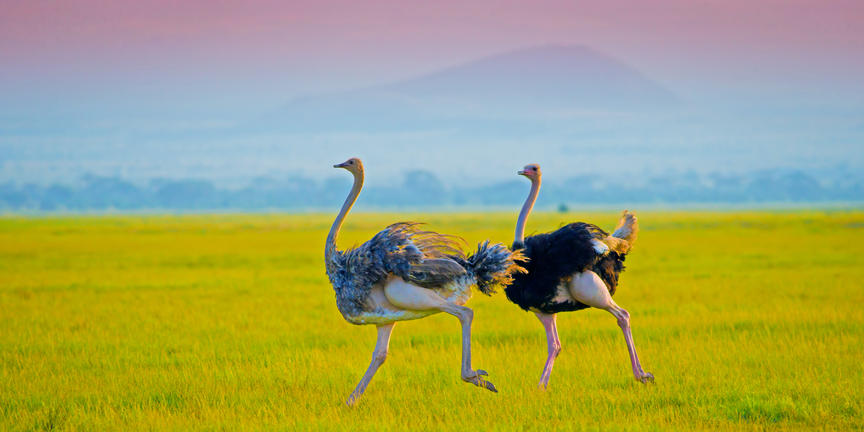
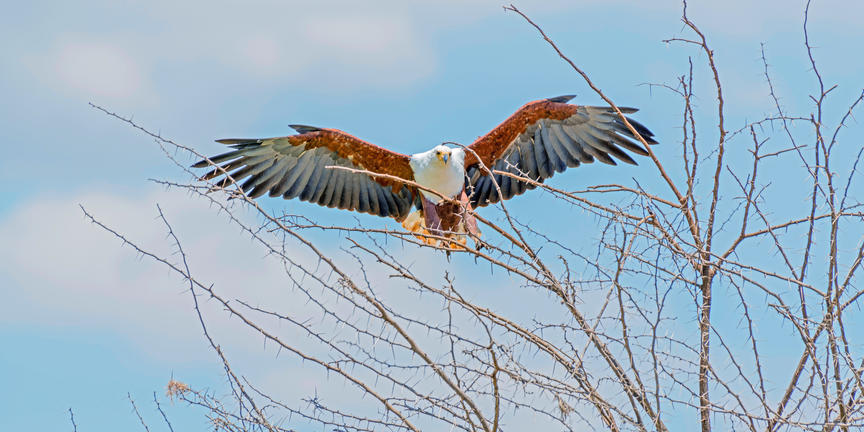
Birdwatching with over 500 recorded species
Travel Information
How to Get There
By Road: Accessible from Arusha via a 6–8 hour drive (depending on park entry).
By Air: Daily scheduled and charter flights connect Arusha, Kilimanjaro International Airport, and Seronera, Kogatende, and Grumeti airstrips.
Best Time to Visit
Dry Season (June – October): Ideal for wildlife viewing and witnessing migration crossings.
Green Season (November – May): Calving period in the south, lush scenery, and superb birdwatching.
Why Visit the Serengeti
The Serengeti offers a timeless and authentic African safari experience, from the drama of the Great Migration to the tranquil beauty of its open plains. Whether from a 4x4, a balloon, or on foot during a walking safari, every Serengeti moment feels like stepping into the heart of nature itself.
Key Attractions
The Great Migration
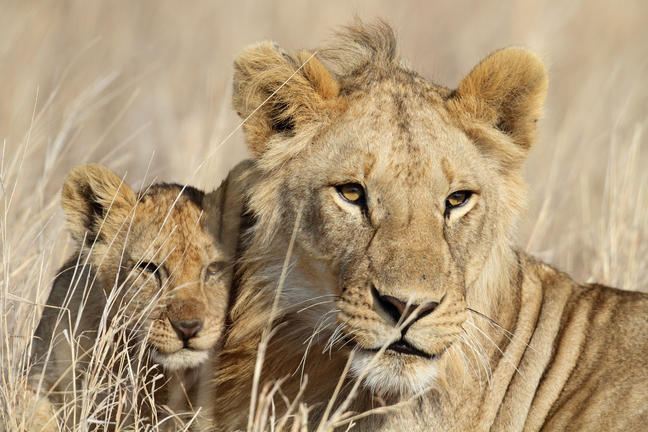
Big Five Sightings
Hot-Air Balloon Safaris
Walking Safaris
Endless Plains & Kopjes
Maasai Cultural Encounters