Lake Manyara National Park - Home of the Tree Climbing Lions
Lake Manyara National Park is a compact yet breathtakingly diverse safari destination, set at the base of the Great Rift Valley escarpment in northern Tanzania. Covering about 330 square kilometres, nearly 75% of which is occupied by the vast soda lake, the park is one of Tanzania’s most picturesque and ecologically rich reserves. Despite its modest size, Lake Manyara teems with wildlife, birdlife, and spectacular scenery — making it a must-visit stop on Tanzania’s Northern Safari Circuit.
Location and Ecosystems
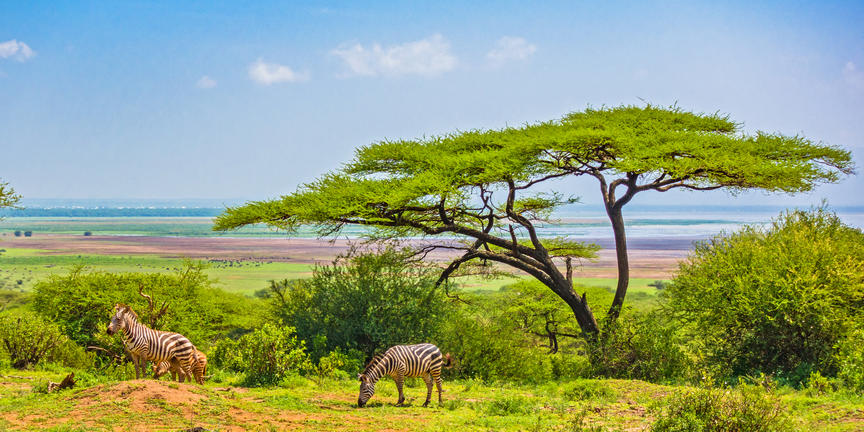
Situated approximately 125 kilometres west of Arusha (a 2.5-hour drive), Lake Manyara lies conveniently between Tarangire National Park and the Ngorongoro Crater, forming part of the famous Northern Safari route. The park’s diverse ecosystems include lush groundwater forests nourished by underground springs, open grasslands, acacia woodlands, swampy floodplains, and the expansive alkaline lake itself.
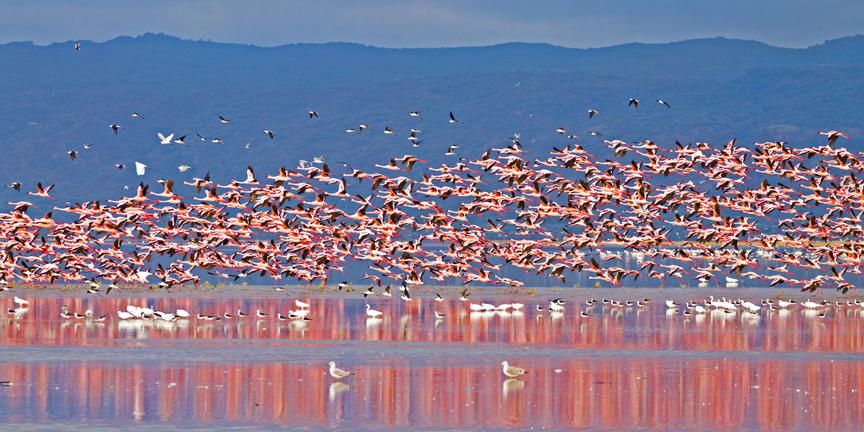
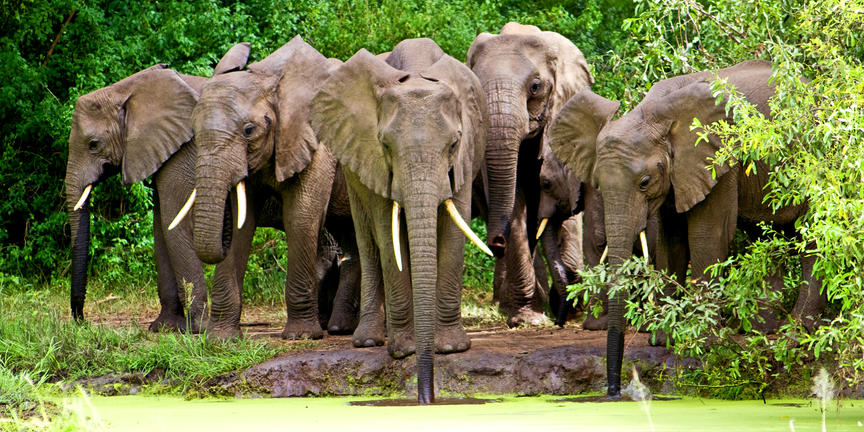
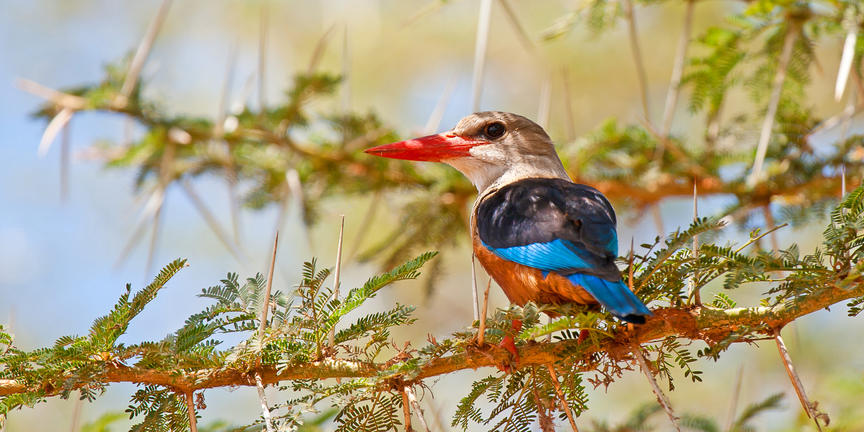
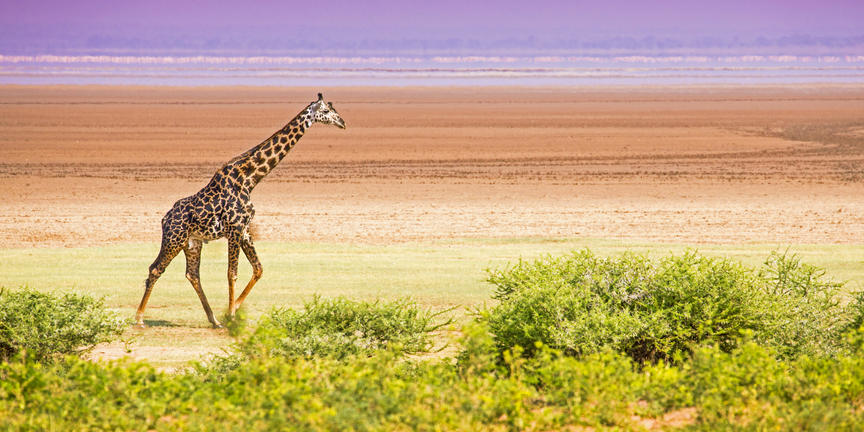
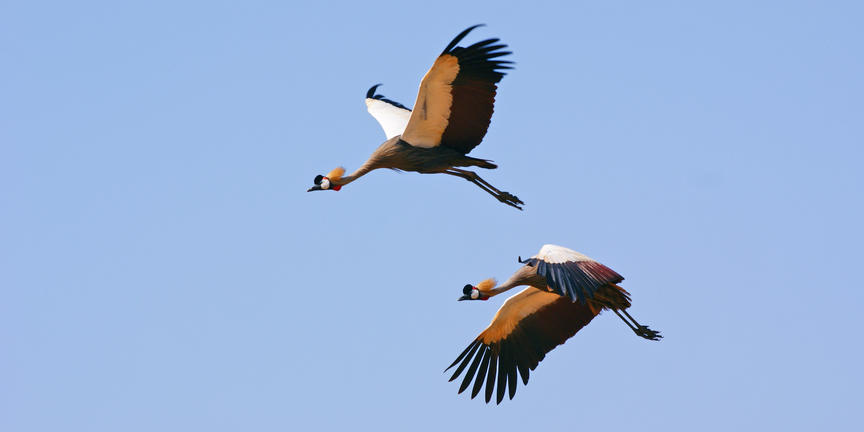
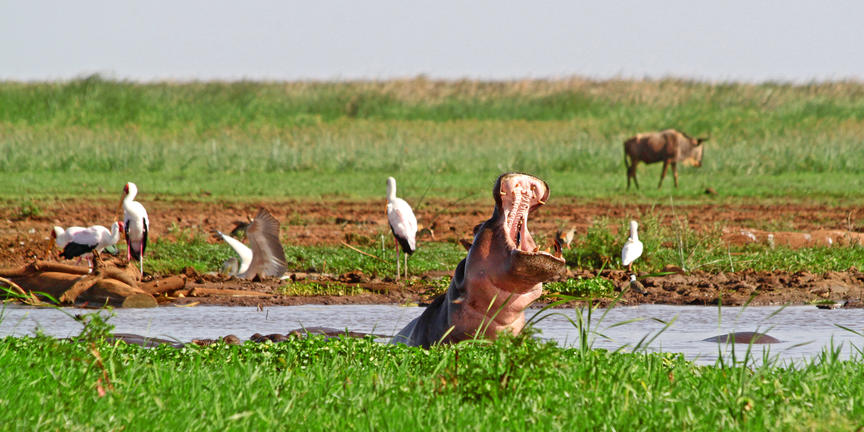
This incredible range of habitats supports a remarkable array of species — from baboons, elephants, and hippos to zebras, wildebeest, and giraffes. Over 400 bird species have been recorded here, making Lake Manyara a paradise for ornithologists and photographers alike.
Unique Features
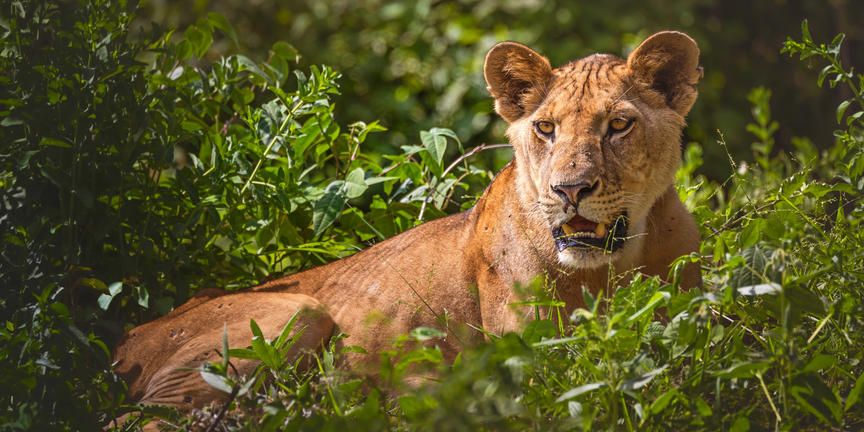
Lake Manyara is best known for its tree-climbing lions, one of Africa’s rarest wildlife behaviours, offering an extraordinary sight for visitors. The park is also famous for its large elephant herds, diverse birdlife, and dramatic topography, with the Rift Valley escarpment rising steeply behind the lake to form an awe-inspiring backdrop.
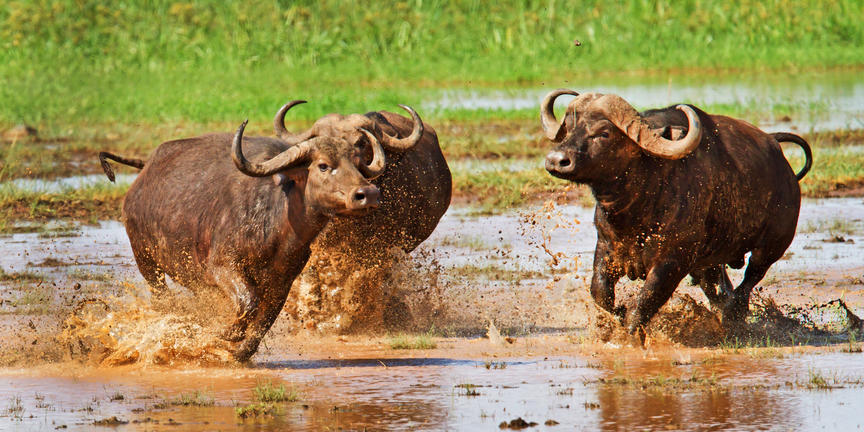
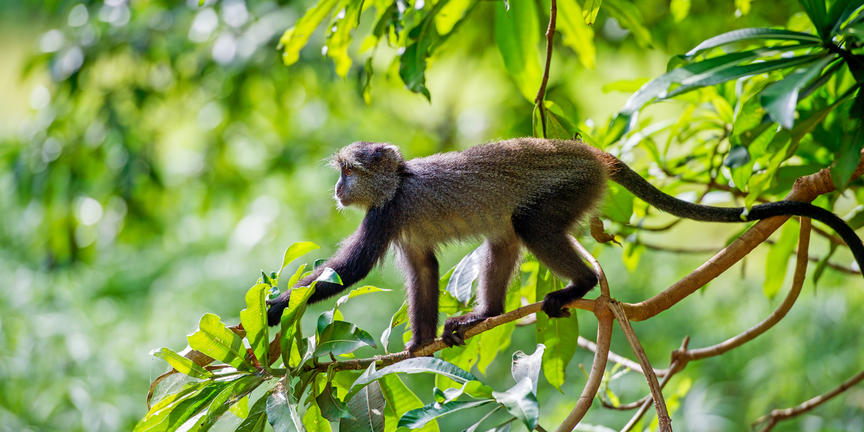
Whether you’re exploring the forest canopies alive with monkeys, the flamingo-filled shoreline, or the grassy plains dotted with buffalo and wildebeest, Lake Manyara delivers a true microcosm of Tanzania’s natural beauty.
The Great Rift Valley Escarpment
One of the park’s defining natural features is the 400-metre-high Rift Valley Escarpment, which towers over the lake below. Formed some 20–25 million years ago when the earth’s crust began to tear apart, this monumental geological formation runs the length of East Africa and is so vast it can even be seen from space.
The escarpment’s steep slopes and foothills support a wide range of vegetation and micro-ecosystems, from dense forests to grassy floodplains. Together with the soda lake and surrounding wetlands, these habitats sustain an incredible diversity of flora and fauna, making Lake Manyara a living showcase of nature’s resilience and complexity.
Excursions and Activities in Lake Manyara National Park
There’s much more to Lake Manyara than game drives — the park offers a variety of immersive activities for travellers seeking deeper experiences in nature and culture:
Night Game Drive: Experience the magic of the African bush after dark and encounter nocturnal species such as civets, genets, porcupines, and bush babies.
Canopy Walk / Treetop Walkway: Walk across suspended bridges up to 18 metres above the forest floor for panoramic views of the lush canopy and abundant birdlife.
Mountain Bike Tour: Explore the park’s surroundings and local communities by bike, perfect for adventurous travellers.
Cultural Tour – Mto wa Mbu: Visit the vibrant nearby village to experience local markets, banana farms, and traditional crafts.
Visit the Maasai Tribe: Discover the customs, dress, and traditions of Tanzania’s iconic pastoral people.
Visit the Hadzabe Tribe: Meet one of Africa’s last remaining hunter-gatherer tribes near Lake Eyasi for an authentic cultural encounter.
Travel Information
How to Get There
By Road: Lake Manyara National Park is about 125 km (2.5 hours) west of Arusha, accessible by well-paved roads. It’s ideally located between Tarangire and Ngorongoro, making it easy to combine with other safari destinations.
By Air: Regular scheduled flights connect Arusha, the Serengeti, and Zanzibar to Lake Manyara Airstrip, located just outside the park entrance — ideal for travellers on fly-in safaris.
Travel Distances
Arusha → Lake Manyara: 2.5 hours
Lake Manyara → Tarangire: 1 hour
Lake Manyara → Ngorongoro: 1 hour
Lake Manyara → Serengeti: 3.5 hours
Best Time to Visit
Dry Season (July – October): The best time to see large mammals such as elephants, giraffes, and lions as they gather near the lake and water sources.
Wet Season (November – June): Ideal for birdwatching, when migratory species arrive and the park is lush and green. Expect to see flamingos, pelicans, fish eagles, hornbills, hammertops, and bee-eaters.
Why Include Lake Manyara in Your Tanzania Safari
Lake Manyara National Park offers a perfect blend of scenery, wildlife, and accessibility. Its close proximity to Arusha, exceptional biodiversity, and variety of activities make it an ideal start or finish to any Northern Circuit safari.
Compact yet full of life, Lake Manyara allows travellers to experience a complete safari in just one day — from forest to floodplain, from flamingos to lions. Whether you’re a birdwatcher, wildlife enthusiast, or first-time safari-goer, this park promises an unforgettable encounter with Tanzania’s natural splendour.
Key Attractions
Tree-Climbing Lions – a rare and unforgettable sight
Large Elephant Herds and diverse wildlife including giraffes, hippos, and buffalo
Birdwatcher’s Paradise – flamingos, pelicans, storks, and raptors in abundance
Hot Springs (Maji Moto) – geothermal activity near the southern end of the lake
Rift Valley Escarpment Views – dramatic panoramas perfect for photography